

dental patient

What Makes Preventive Dentistry Different From Emergency Care

Dental care often gets attention only when pain strikes, but there is a clear difference between staying ahead of problems and reacting to them. Preventive dentistry focuses on routine checkups, cleanings, and early detection to stop issues before they become serious or costly. In contrast, emergency care addresses urgent concerns like severe pain, infections, or broken teeth that require immediate treatment. Many patients looking to understand their options often click here while researching how proactive care can reduce the risk of sudden dental emergencies. Recognizing how these two approaches differ helps patients make informed decisions about their oral health. This article explains why prevention and emergency treatment serve distinct but equally important roles in dental care.

Focus on Early Detection Versus Immediate Relief

Preventive dentistry is centered on spotting issues before they cause pain or disruption. Regular exams and cleanings help identify early signs of decay, gum inflammation, or bite problems while they are still manageable. Emergency care, by contrast, is about stopping pain, infection, or damage as quickly as possible. A cracked tooth or sudden swelling requires fast action, not observation. The key difference lies in timing. Prevention works quietly in the background, while emergency treatment reacts to visible problems. One aims to keep you out of trouble, the other steps in when trouble has already arrived.

Treatment Planning Compared to Rapid Intervention

Treatment Planning Compared to Rapid Intervention

Preventive care allows dentists to plan treatments thoughtfully. Small cavities, mild gum issues, or enamel wear are easy to deal with, with minimal intervention and flexible scheduling. Emergency care leaves little room for planning. The priority is stabilizing the situation, which may involve temporary fixes or urgent procedures. Decisions are made quickly to reduce risk and discomfort. Preventive dentistry supports long-term strategies, while emergency care focuses on short-term control. Both are necessary, but the patient experience feels very different because one is proactive and the other is reactive.

Cost and Stress Differences for Patients

Preventive dentistry is usually more predictable in terms of cost and time. Routine visits are scheduled in advance and often covered by standard care plans. Emergency dental visits can be more expensive and emotionally draining, especially when treatment cannot be delayed. Pain, anxiety, and uncertainty tend to accompany urgent care. By reducing the likelihood of emergencies, preventive care helps patients avoid these stressful situations.

Impact on Long-Term Oral Health

final result

The long-term effects of preventive dentistry are cumulative. Consistent care supports stronger teeth, healthier gums, and better bite stability over time. Emergency care resolves immediate problems but does not address underlying habits or gradual changes unless followed by ongoing care. Relying only on emergency visits often leads to repeated issues and more complex treatments later. Preventive dentistry builds a foundation that supports oral health across years, not just moments of crisis. This long view is what makes prevention such a core part of modern dental care.

Preventive dentistry and emergency care serve different roles, but they work best together when prevention comes first. Preventive care focuses on early detection, thoughtful planning, and long-term stability. Emergency care responds to pain and urgent issues that cannot wait. Patients who understand this difference are better equipped to protect their oral health and reduce unexpected problems. While emergencies can happen to anyone, consistent preventive visits lower the odds and soften the impact. In the long run, staying ahead of problems is far easier than chasing them once discomfort sets in.…

Continue Reading


jog

What Happens When You Start Running Daily?

Starting a daily running routine can have a profound impact on both your physical health and mental well-being. Still, it’s essential to approach it thoughtfully to avoid injury and burnout. From improved cardiovascular fitness to increased energy and stress relief, the benefits accumulate quickly when consistency is maintained. Beginners often overlook pacing, recovery, and proper footwear, which are key to sustaining the habit. To help get started safely, check these tips for form, stretching, and gradual progression. In addition, this article will guide you through what to expect when you commit to running every day and how to make it a lasting, enjoyable habit.

Physical Changes You Can Expect

The physical effects of running daily include improved endurance, muscle tone, and cardiovascular health. Leg muscles, core, and glutes gradually strengthen as they support repeated motion, while joints become more resilient due to consistent low-impact stress. Daily movement can also accelerate metabolism, aiding weight management and increasing overall energy levels. Many runners notice better posture and a leaner frame after several weeks of consistent effort. Proper footwear and gradual pacing help prevent injuries, allowing the body to adapt without strain. Over time, these changes combine to make physical activity feel easier and daily life more energetic.

Mental and Emotional Benefits

toned body

Running daily significantly impacts mental clarity and emotional balance. Regular activity reduces stress by releasing natural mood-regulating hormones and creating a meditative rhythm through breath and movement. Many runners report feeling more focused, productive, and confident after maintaining a routine. Daily exercise also reinforces discipline and resilience because completing a run each day provides tangible proof of commitment. Mood improvements often spill into other areas of life, making social interactions, work tasks, and problem-solving feel less stressful. Over weeks, running becomes a reliable way to support both mental well-being and personal growth.

A Few Adjustments You Can Do

While running daily has many benefits, it is essential to pace yourself to avoid overuse injuries. Incorporating rest strategies such as light jogging, stretching, or active recovery supports muscles and joints. Hydration, nutrition, and proper footwear are crucial for maintaining performance and preventing fatigue. Listening to your body ensures that discomfort is addressed early rather than ignored, reducing the risk of chronic pain or strain. By combining gradual progression with mindful care, you allow the body to adapt effectively, making daily running a sustainable habit rather than a source of stress.

Starting a daily running routine reshapes both body and mind by improving endurance, strength, mood, and focus. Physical benefits, such as stronger muscles, better cardiovascular health, and improved metabolism, develop alongside mental rewards, including reduced stress, increased confidence, and greater discipline. Safe adaptation through pacing, proper gear, and rest ensures these benefits are long-lasting. Over time, running becomes a natural part of life, offering energy, clarity, and resilience that extend beyond the exercise itself. With consistent effort, daily running transforms your overall well-being in tangible, lasting ways.…

Continue Reading
health club

Benefits of Joining a Health Club for Long-Term Fitness

Maintaining long-term fitness requires more than casual exercise—it demands structure, accountability, and access to quality resources. Health clubs offer a comprehensive environment where these elements converge, supporting sustainable physical development. By joining a health club, individuals gain access various equipment classes, and professional guidance that facilitate consistent progress. Tools demonstrate how technology integrated into fitness clubs can streamline tracking, manage memberships, and enhance workout experiences. Beyond convenience, health clubs provide motivation, community engagement, and structured programming, making them invaluable for those serious about lasting results. Understanding the advantages of club membership helps individuals maximize workouts and achieve enduring health benefits.

Variety of Equipment and Facilities

Health clubs provide a diverse selection of equipment and spaces designed to accommodate different fitness needs. From cardio machines and strength-training apparatus to functional training zones and swimming pools, members can choose the tools that best fit their routines. This variety prevents monotony, making workouts more engaging and enjoyable. Additionally, access to specialized equipment often unavailable at home enhances the effectiveness of training, allowing users to target various fitness components. The availability of multiple facilities ensures that members can diversify their routines, promoting balanced physical development over time.

Access to Professional Guidance

One of the foremost benefits of health clubs is access to trained professionals, including personal trainers, nutritionists, and class instructors. But this is only after you’ve set up your own Clubfit Software profile. Experts can design programs suited to individual goals, whether for muscle building, weight loss or your overall wellness. Guidance from professionals reduces the risk of injury and accelerates results by ensuring exercises are performed correctly and efficiently. Many health clubs offer one-on-one consultations or group sessions, allowing members to receive advice that adapts as they progress. This consistent support builds confidence, provides structure, and allows members to approach fitness with clarity rather than guesswork.

Structured Programs and Classes

Another significant advantage is the availability of structured programs and fitness classes. Health clubs frequently offer schedules for yoga, pilates, spinning, HIIT, and strength training sessions, providing guided instruction and motivation. Structured programming helps individuals establish consistent routines and explore new exercises without needing to plan independently. Group classes foster discipline, promote engagement, and add a social dimension to workouts, enhancing motivation. Following professionally designed programs reduces uncertainty about which exercises to perform and the correct progression, ultimately supporting sustained fitness improvements.

Community Support and Motivation

Health clubs create a community environment that encourages commitment and accountability. Being surrounded by like-minded individuals pursuing similar goals often fosters motivation and accountability. Peer interactions, group challenges, and social support networks within the club can help members stay consistent, especially during periods of low personal motivation. Community engagement also creates opportunities for sharing experiences, exchanging tips, and celebrating milestones, which reinforces long-term adherence to fitness routines. This sense of belonging enhances both mental and physical wellbeing, making the fitness journey more enjoyable and sustainable.

Progress Tracking and Technological Integration

Modern health clubs increasingly leverage technology to track member progress, manage workouts, and enhance experiences. Tools like membership management systems, performance tracking apps, and wearable integrations allow individuals to monitor metrics such as strength, endurance, heart rate, and attendance. Consistent tracking provides feedback that informs adjustments in routines, helping members overcome plateaus and maintain progress. Technology also simplifies goal setting and reporting, giving tangible evidence of improvement. Members can measure growth over time, stay motivated by seeing results, and make informed decisions about their fitness routines to achieve optimal outcomes.

Joining a health club offers numerous advantages that support long-term fitness, from professional guidance and access to a variety of equipment to structured programming, community engagement, and technology-driven progress tracking. These elements collectively create an environment that promotes consistency, motivation, and measurable results. Health clubs provide the resources and support needed to establish sustainable routines, improve physical health, and maintain commitment to fitness goals.…

Continue Reading
brushing teeth

Brushing Isn’t Enough: The Oral Care Upgrade Your Mouth Craves

Many people swear they’re brushing “perfectly,” yet still deal with bad breath or sore gums. I’ve heard this story countless times, such as those who thought minty toothpaste was solving everything. If this sounds familiar, well, you need to learn what a dentist I met from the 8th district dental said to me.

Signs Your Brushing Habits Need Backup

Brushing covers a lot, but it doesn’t reach every surface. Plaque loves hiding in little corners, and it sticks around unless you address it directly. You might notice a lingering odor even shortly after brushing, which can feel frustrating. That’s usually a sign your routine needs a small boost. Another clue is gum tightness or random bleeding during flossing. Many people assume it’s normal, but it usually signals that buildup has overstayed its welcome. A quick brush doesn’t handle everything along the gumline. With a few extra habits, those issues start fading fast.

Why Your Tongue Needs More Attention

Your tongue collects more bacteria than most people realize. If you’ve ever looked in the mirror and thought, “Why does it look coated?”—that’s buildup talking. A tongue scraper removes that layer in seconds. The difference in freshness can honestly feel dramatic. Some say brushing the tongue works fine, but that usually spreads things around instead of removing them. Scraping does the heavy lifting. It’s simple, fast, and makes your whole mouth feel brighter. Skip it one day, and you’ll notice the change instantly.

Flossing: The Quiet Hero You Keep Ignoring

flossing

Flossing isn’t glamorous. No one brags about it. But the impact is huge. You’re clearing out areas your brush can’t reach, which prevents irritation and supports healthier gums. If you struggle sticking with it, try floss picks. They’re fast and convenient, especially for people who hate the old-school string method. Once you get into the rhythm, you’ll wonder why you avoided it for so long. And your gums? They’ll thank you in ways you didn’t expect.

Why Mouthwash Isn’t a “Just in Case” Step

A good rinse does more than add a minty finish. It reduces harmful bacteria and supports the areas you don’t directly scrub. Think of it as your last sweep—picking up whatever you missed earlier. The difference shows over time, especially if dryness or odor bothers you. But don’t rely on it as a cover-up. Mouthwash works best as part of the full routine. If used consistently, it fills the gaps and makes your whole process smoother. It also helps maintain fresher breath throughout the day.

Regular Checkups: Prevention Done the Smart Way

checkup

Even the most dedicated brushing routine has limits. Professionals use tools that go beyond anything at home. That’s why appointments matter. They help catch small problems before they grow into major repairs. Some people put this off until they feel discomfort, which is the worst timing. Early visits mean less stress and less spending. Plus, the advice you get is specific to your mouth—not general tips floating around online. If you’ve been brushing twice a day and still feel something’s off, your mouth might be asking for more than the basics. Small changes stack up fast.…

Continue Reading
chiropractor

Nerve Pain After an Accident? How Chiropractic Care Targets the Root Cause

A crash can turn your day upside down and leave your body feeling like it has run a marathon it never signed up for. Nerve pain is one symptom people often underestimate, yet it can hit surprisingly hard. Many folks reach out to the best Chiropractor East Coast Injury Clinic because nerve issues behave differently from typical soreness. They can linger, flare up randomly, and make ordinary movements feel strangely uncomfortable. Nerve pain can appear sharp, tingly, or weirdly electric. Sometimes it shows up instantly, and other times it slowly builds over the course of a day. That kind of unpredictability makes it easy to shrug off at first. Still, early attention can help prevent bigger problems later.

Why Nerve Pain Happens After a Crash

Your nerves are sensitive messengers that react quickly to sudden force. A crash can compress or stretch them in ways your body never intended. Even minor impacts can irritate spinal joints and soft tissue, creating pressure that radiates into the arms, back, or legs. The result can feel like pins, needles, heat, or even strange numb patches. These symptoms often stick around if the underlying irritation is left alone. Your muscles may tighten in response, causing even more discomfort. It becomes a cycle that feeds itself. Chiropractic care steps in to interrupt that cycle and bring the body back to better balance.

How Chiropractic Adjustments Help Release Pressure

Chiropractors focus on restoring proper motion in the spine. When joints shift out of alignment, they can press on nerves like a shoe that fits a bit too snug. Adjustments help create space again so your nerves can relax. This often gives people noticeable relief in a short amount of time. The process itself is gentle and controlled. People sometimes expect something dramatic, but many adjustments feel more like a quick stretch. Afterward, muscles loosen, circulation improves, and nerve irritation eases. That shift can help your body handle daily tasks with far less frustration.

Why Soft Tissue Care Makes a Big Difference

pain

Accidents can make muscles behave as if they are on high alert. They tighten to protect injured areas, but this can irritate nerves even more. Soft tissue therapy helps calm those tense spots. It releases knots, improves mobility, and supports healthier nerve function. These methods also help reduce inflammation. With less swelling crowding the space around nerves, pain often decreases. Combined with spinal adjustments, this approach supports long-term comfort. Many patients feel they move more naturally again, which helps them stay active during recovery.

Some Symptoms That Need Quick Attention

Your body usually offers clues when nerve issues are starting. Tingling and numbness are two of the most common. Sharp jolts or burning sensations are also red flags. If these stick around, they might signal irritation that needs care. Pain that travels down an arm or leg can also indicate a deeper problem. It might show that a nerve is compressed higher up in the spine. These symptoms rarely improve on their own. Listening early gives you a head start on healing.

Nerve pain after an accident can feel unpredictable, uncomfortable, and downright distracting. Paying attention to those early signals can keep the problem from growing. Chiropractic care offers a practical path that supports healing at the source. Your body works hard for you every day, and giving it the right help can make recovery feel smoother and more manageable.…

Continue Reading
hygiene

Mistakes to Avoid When Maintaining an Oral Hygiene Routine

A healthy smile doesn’t just happen; it takes consistency and the right habits. Many people overlook small but important steps in their daily routines, leading to long-term oral health issues. Dental Care practices can make a significant difference in preventing problems like cavities, gum disease, and enamel erosion. Brushing too hard, skipping flossing, or neglecting regular dental checkups are common mistakes that can compromise your smile. By learning what to avoid and adopting better habits, you can keep your teeth and gums healthy for years to come.

Ignoring the Gum Line and Tongue

floss

A lot of plaque hides where the teeth meet the gums, yet this area often gets ignored. Neglecting the gum line allows bacteria to grow, increasing the risk of gum disease and bad breath. Brushing gently along the gum line removes buildup before it becomes a bigger problem. Flossing daily is equally important; it’s the only way to clean between teeth and prevent food particles from overstaying their welcome. The tongue deserves attention, too. It traps bacteria that can cause bad breath and affect taste. A quick brush or using a tongue scraper can make a noticeable difference.

Brushing Too Hard or Too Fast

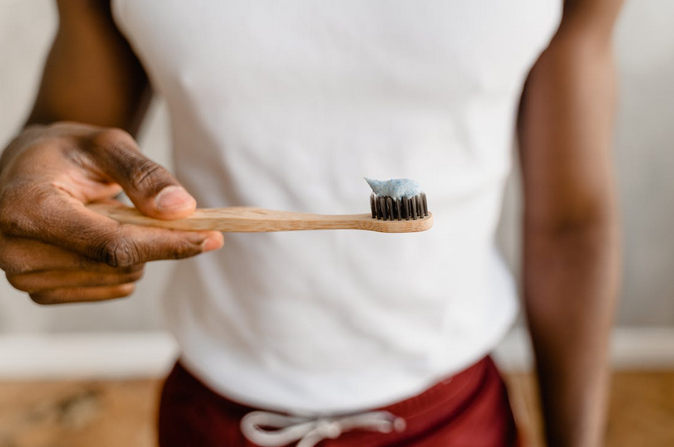
One of the most common dental mistakes is brushing like you’re polishing a floor. While enthusiasm is great, aggressive brushing actually harms your teeth and gums. Scrubbing too hard can wear down enamel and irritate the gum line, leading to sensitivity or even gum recession. Think of brushing as massaging, not scrubbing; gentle circular motions do the job perfectly. Speed is another issue. Many people brush for less than a minute, which isn’t enough to remove all the plaque. Dentists recommend brushing for two minutes, twice a day.


Skipping Regular Dental Visits

Even the most disciplined home routine can’t replace professional care. Skipping check-ups is a common mistake that often leads to undetected issues, such as cavities, tartar buildup, or gum inflammation. Dentists can spot problems before they cause pain, and let’s be honest, prevention is a lot cheaper and less stressful than treatment.

Forgetting to Replace Your Toothbrush

toothbrush

Many people use the same toothbrush far longer than they should. Worn-out bristles don’t clean properly and can harbor bacteria. Dentists recommend replacing your brush or brush head every three months—or sooner if the bristles start to fray. It’s a small habit that makes a big difference in maintaining effective cleaning and overall oral hygiene. Fresh bristles clean more thoroughly and protect your gums better. If you’ve been sick recently, swapping your toothbrush immediately is also smart—it prevents the reintroduction of germs into your mouth.

Maintaining oral hygiene isn’t just about brushing and flossing; it’s about doing it correctly and consistently. Regular dentist visits tie it all together, ensuring your efforts pay off with a lasting, healthy smile. Small changes in your daily routine today can save you big dental troubles tomorrow. Remember, good habits aren’t built overnight, but your teeth will thank you every morning and night.…

Continue Reading
gut health

The Role of Gut Health in Reducing Cortisol Belly Fat

Cortisol belly fat is often associated with stress and hormones, but new research suggests that gut health may be just as important in managing this stubborn condition. An imbalance in the gut microbiome can increase inflammation, slow metabolism, and make it harder for the body to regulate cortisol. It creates a cycle where stress and poor digestion reinforce each other, leading to fat storage around the midsection. According to this guide to tackling stress belly fat, dietary changes that include probiotics and prebiotics can support healthier digestion while reducing cortisol’s negative effects. By restoring gut balance, individuals may find it easier to manage belly fat and protect long-term health.

How Stress and Cortisol Affect the Gut

Chronic stress triggers elevated cortisol levels, which impact gut function. High cortisol affects the balance of good and bad bacteria in the digestive system, leading to gut dysbiosis. This imbalance can trigger bloating, poor nutrient absorption, and increased cravings for high-sugar foods. Stress also weakens the gut lining, allowing toxins to enter the bloodstream, which sparks inflammation and further contributes to fat storage around the midsection.

The Link Between Inflammation and Belly Fat

An unhealthy gut often leads to chronic low-grade inflammation, which worsens the effects of cortisol on fat storage. Inflammation signals the body to hold onto energy reserves, particularly around the abdomen. This is why people with poor gut health and chronic stress are more prone to developing visceral fat, which is metabolically active and harmful to overall health. By improving gut function through a balanced diet, it becomes possible to lower inflammation and reduce cortisol-driven belly fat.

inflammed gut

Gut Microbiome and Hormonal Balance

The gut microbiome plays a vital role in regulating hormones that influence weight and appetite. A healthy gut supports the production of serotonin, which not only stabilizes mood but also helps manage cravings. Imbalances in gut bacteria, however, can interfere with insulin sensitivity and leptin signaling, both of which are essential for controlling fat storage. When paired with high cortisol levels, these disruptions make it much harder to shed belly fat. Restoring gut balance creates a healthier internal environment where stress hormones are less likely to trigger fat accumulation.

Nutrition for Gut and Cortisol Balance

Diet plays a central role in improving both gut health and cortisol regulation. Fiber-rich foods such as vegetables, legumes, and whole grains feed beneficial gut bacteria and improve digestion. Fermented foods like yogurt, kefir, sauerkraut, and kimchi introduce probiotics that restore microbial balance. Prebiotics found in garlic, onions, and bananas further support gut bacteria. At the same time, limiting processed foods, refined sugars, and excessive caffeine helps reduce stress on the digestive system. A nutrient-dense diet not only nourishes the gut but also stabilizes blood sugar, which prevents cortisol spikes that encourage belly fat storage.

The connection between gut health and cortisol belly fat shows that stress management and digestive wellness go hand in hand. Chronic stress disrupts gut balance, fueling inflammation, hormonal imbalance, and fat storage around the abdomen. By improving gut health through nutrition, exercise, quality sleep, and mindfulness, it becomes possible to restore hormonal balance and reduce belly fat more effectively. In the long run, a healthy gut is not only the key to better digestion but also to a leaner body and improved overall well-being.…

Continue Reading
toilet

Incontinence in Women: Common Triggers and Effective Solutions

Incontinence is more common among women than many realize. It refers to the unintentional loss of bladder control. While it is not usually a sign of serious illness, it can be disruptive and affect quality of life. Many women remain silent due to embarrassment, but discussing the issue is the first step toward managing it. By understanding the causes and solutions, women can take back control and feel more confident in daily life.

The Role of Lifestyle Factors

cans of drinks

Prelomed.at highlights that daily habits contribute to bladder health more than many expect. Consuming excessive caffeine, alcohol, or carbonated drinks can irritate the bladder. Smoking weakens pelvic tissue and also triggers chronic coughing, which puts pressure on the bladder. Carrying extra weight adds strain to the pelvic floor. Even dehydration plays a role, as concentrated urine can irritate the bladder lining. Adjusting these habits is often one of the first steps toward reducing symptoms.

Different Types of Incontinence in Women

Not all incontinence is the same. Stress incontinence is triggered by physical pressure, such as coughing, sneezing, or exercising. Urge incontinence involves a sudden and strong need to urinate, sometimes leading to leakage before reaching a bathroom. Mixed incontinence combines features of both. Overflow incontinence, less common in women, occurs when the bladder doesn’t empty fully. Knowing which type is present helps ensure that treatment is targeted and effective.

Hormonal Changes and Their Impact

pregnant

Hormonal shifts play a major role in female incontinence. During pregnancy, hormonal changes relax the muscles that support the bladder. Childbirth further strains those muscles, sometimes causing lasting weakness. Later in life, menopause reduces estrogen levels, which can thin the tissues in the urinary tract and lead to leakage. These changes are natural, but their impact can be managed with proper care and exercises that strengthen pelvic muscles.

Medical Treatments and Support Options

When lifestyle changes are not enough, medical treatments can help. Doctors may recommend pelvic floor therapy guided by specialists, medications that calm an overactive bladder, or devices that support bladder control. In some cases, minimally invasive procedures or surgery may be considered. Support groups and counseling also play a role, helping women manage the emotional impact of incontinence. Accessing professional help is a sign of strength, not weakness, and ensures the utmost care for long-term well-being.

Practical Lifestyle Solutions

kegel

Simple adjustments often make a meaningful difference. Regular pelvic floor exercises, such as Kegels, strengthen the muscles that control urination. Bladder training, where women gradually increase the time between bathroom visits, helps the bladder adapt to holding more urine. Maintaining a healthy weight relieves pressure on the bladder. Cutting back on bladder irritants and drinking water consistently supports urinary health. These practical steps provide a strong foundation for managing symptoms.

The Unique Emotional Challenges

Beyond physical symptoms, incontinence affects emotional health. Women may feel embarrassment, frustration, or even isolation. They might avoid social activities for fear of accidents. This emotional weight can be heavier than the physical condition itself. Recognizing these feelings and addressing them openly is important. Seeking understanding from family, friends, or healthcare providers reduces stigma and builds confidence. Every experience with incontinence is unique, and acknowledging the emotional side is part of comprehensive care.

Incontinence does not have to define a woman’s life. With knowledge, adjustments, and medical support, it can be managed effectively. The goal is not just to reduce symptoms but to restore freedom in daily activities. Women should remember that help is available and that seeking it is a positive step. With persistence and the right guidance, many regain control and confidence. Living well with incontinence is possible, and every step toward improvement matters.…

Continue Reading
depressed

Habits That Secretly Sabotage Your Mental Health and Self-Improvement

Starting fresh in your life always sounds exciting. We may often live with those challenges, so our self-improvement is just a myth. But for most people, progress gets stalled by quiet habits they don’t even notice. It’s often the small choices, repeated day after day, that end up shaping results more than grand efforts.

Procrastinating

procrastination

Self improvement plans often vary, but they all come with sets of challenges. For many, procrastination is the biggest issue. Putting things off might feel harmless at first. Skipping the gym once, postponing that book you promised to read, or delaying an important conversation doesn’t seem like a big deal. But strung together, these delays form a pattern that blocks momentum. Procrastination thrives on comfort. It lures you into thinking tomorrow will be easier, but tomorrow rarely changes unless today does. A simple trick is to set short deadlines instead of vague goals. Start with 15 minutes of effort instead of “someday I’ll get around to it.” Small progress still counts, and it builds trust in yourself over time.

Talking Negatively to Yourself

The voice inside your head has power. If it constantly whispers “you’re not good enough” or “you’ll never change,” your actions eventually follow that script. Negative self-talk can quietly sabotage even the strongest self-improvement plan. Reframing your inner dialogue makes a huge difference. Start by catching the critical thoughts and asking if you’d say them to a close friend. Chances are, you wouldn’t. Replace them with more neutral or encouraging words. It might feel awkward at first, but your brain gets used to the new tone with repetition.

Comparing Yourself to Others

comparisonScrolling through social media makes it easy to compare your journey to someone else’s highlight reel. The problem is that comparison usually ends with frustration or envy. It shifts your focus away from your own progress and leaves you feeling stuck. Comparison also skews reality. You rarely see the late nights, failed attempts, or messy behind-the-scenes parts of other people’s growth. Instead of measuring yourself against them, track your own wins. Even the tiniest victories, like waking up earlier or skipping junk food for a day, deserve credit.


Overloading With Too Many Goals

Ambition feels great until it overwhelms you. Some people try to quit three bad habits, learn two new skills, and start running five miles all at once. The result is burnout, frustration, and quitting everything altogether. Focusing on one or two clear priorities works better. Once progress feels natural in one area, then expand into others. Think of it like stacking bricks: one layer needs to be solid before you build higher. Slow, steady layering beats scattered attempts every time.

Ignoring Rest and Recovery

sleep

Some people treat self-improvement like a 24/7 grind. They push themselves harder, sleep less, and think more hustle automatically equals more success. In reality, neglecting rest backfires. Fatigue leads to poor choices and a lack of motivation. Rest isn’t laziness; it’s fuel. Sleep, breaks, and downtime give your brain space to process new habits and keep your energy balanced. Think of it like charging a phone: You can’t run on 5% forever. Respecting recovery time allows your efforts to actually stick.

Self-improvement doesn’t collapse because of one mistake. It falls apart when bad habits quietly repeat until they form walls around progress. Breaking patterns like procrastination, comparison, neglecting rest, negative self-talk, and goal overload can clear those walls. With more awareness, your growth plan becomes less about perfection and more about persistence.…

Continue Reading
supplements

The Neuro-Revolution: How Taking Brain Health Supplements Can Change Your Life

Hey, if you’re here, the chance is you may be having a problem with your memory, focus, or overall brain health. You don’t have to feel alone; you’re not the only one having issues with your brain health. It’s time for you to take control of your life and start living life to the fullest.

That’s why you’re in the right place, as you’re in doubt whether or not you need to take brain health supplements. In this article, I’m going to explain why taking brain health supplements can change your life in a positive way and how it can help you achieve optimal brain function. Let’s get started.

Enhance Cognitive Function

cognitiveToday, having a sharp cognitive function is more important than ever. It allows us to think quickly, make much better decisions, and stay focused for hours on the task at hand. But what if I told you that there was a way to supercharge your brainpower? Enter brain health supplements.



These powerful supplements contain a carefully selected blend of ingredients that have been shown to support optimal brain function. From boosting memory and improving concentration to enhancing creativity and problem-solving skills, these supplements are like a secret weapon for your mind. And the secret ingredients behind this good stuff are omega-3 fatty acids and vitamins, such as B6 and B12.

Increase Energy and Alertness

If you’re like me in the past, where it felt like every day I experienced dips in energy and alertness, especially during long workdays or after a poor night’s sleep, brain health supplements are definitely for you. These pills are specifically designed to increase energy and promote mental clarity, thanks to everything contained: the minerals, vitamins, and natural extracts that have been shown to support optimal brain function.

If you take a popular brain supplement every day, you may notice a huge improvement in your focus and concentration while staying sharp throughout the day. Moreover, they can provide an all-natural source of sustainable energy without the peak crash that comes with caffeine or sugar-laden drinks.

In addition to enhancing cognitive function, brain health supplements can help regulate neurotransmitters responsible for promoting wakefulness and attentiveness. This means increased focus when tackling important tasks or engaging in mentally demanding activities.

Improve Mood Regulation and Reduce Stress

alert

What if there was a natural way to improve mood regulation and reduce stress? Enter brain health supplements. These supplements are specially formulated with ingredients that have been shown to impact mood regulation to a better result. They can help balance neurotransmitters in the brain, including serotonin and dopamine. These two are the drivers that regulate emotions.

When these guys are out of balance, anxiety, irritability, and even depression can punch you right in the face. But, by taking brain health supplements regularly, you may finally see a huge improvement in your overall mood and a killer reduction in stress levels.

May Contribute to Long-Term Brain Health

brain

Taking brain health supplements is not just about immediate cognitive benefits. It may also have a positive impact on your long-term brain health. These supplements are well-designed to provide essential nutrients that support overall brain function and protect against age-related decline. Thanks to the omega-3 fatty acids contained in each brain pill, research finally concluded that regular consumption of brain pills helps reduce the risk of neurodegenerative diseases like Alzheimer’s and improves memory and cognitive function.

Taking brain health supplements can be a game-changer when it comes to enhancing your cognitive function, increasing energy and alertness, improving mood regulation, and reducing stress. These supplements have the potential to significantly impact your overall brain health and well-being.…

Continue Reading
a biker in nature

Benefits of Installing a Bike Computer on Your Bicycle

The discussions of the importance of riding your bike for your health seems to be one of the most talked-about topics whenever people mention the easiest health projects. Indeed, riding a bike can be a fun way to boost your health as it prompts your body to move without putting much stress on your brain. Instead, it is also an effective way to release tensions by cycling outdoors. The discussions about bike computer installation is another vital topic if you aim for a more effective and efficient workout. Fortunately, our recommended bicycle computer is available to make your exercise routine easier and more effective.

Although people admit that the presence of the device has been such a help, many of them still believe that they do not need to spend more money to purchase the device. They argue that their smartphone is more than enough since it is supported by cycling apps available online. It is, of course, not a misleading statement. However, you need to understand that a smartphone is not designed for such activities. This article offers valuable insights into the bike computer that you need to know.

Keeping Your Smartphone Safe

a biker looking at the screenReports show that cases of a broken or stolen smartphone during outdoor trips have been a common phenomenon. Many of the examples include bikers using their smartphone as a cycling aid to help them navigate the area, record their progress, and use other features. Although some applications have made it possible, remember that it is not advisable to do so. Your smartphone is designed to communicate and share information. Thus, it is not a wise thing to do to use it as a bike computer. It is advisable to invest in a high-quality bike computer if you need one so that you can prolong your smartphone’s lifespan.

Easier Rides

If you are a cycling enthusiast who also happens to be an outdoor lover, exploring new areas or biking tracks is a must for you. Instead of using your mobile phone to navigate the area and know where you are going, the device can be much of a help during your trip, especially if your trip involves remote areas. You can easily consult the map before going or see if the road is good.

Features

Another plus point of the device is the available features specially made for cyclists. It includes distance, riding time, and speed. Some devices also offer GPS navigation and public transportation information to help you understand the area well.…

Continue Reading