
Is Homemade Baking Really Healthier? Separating Facts From Food Myths
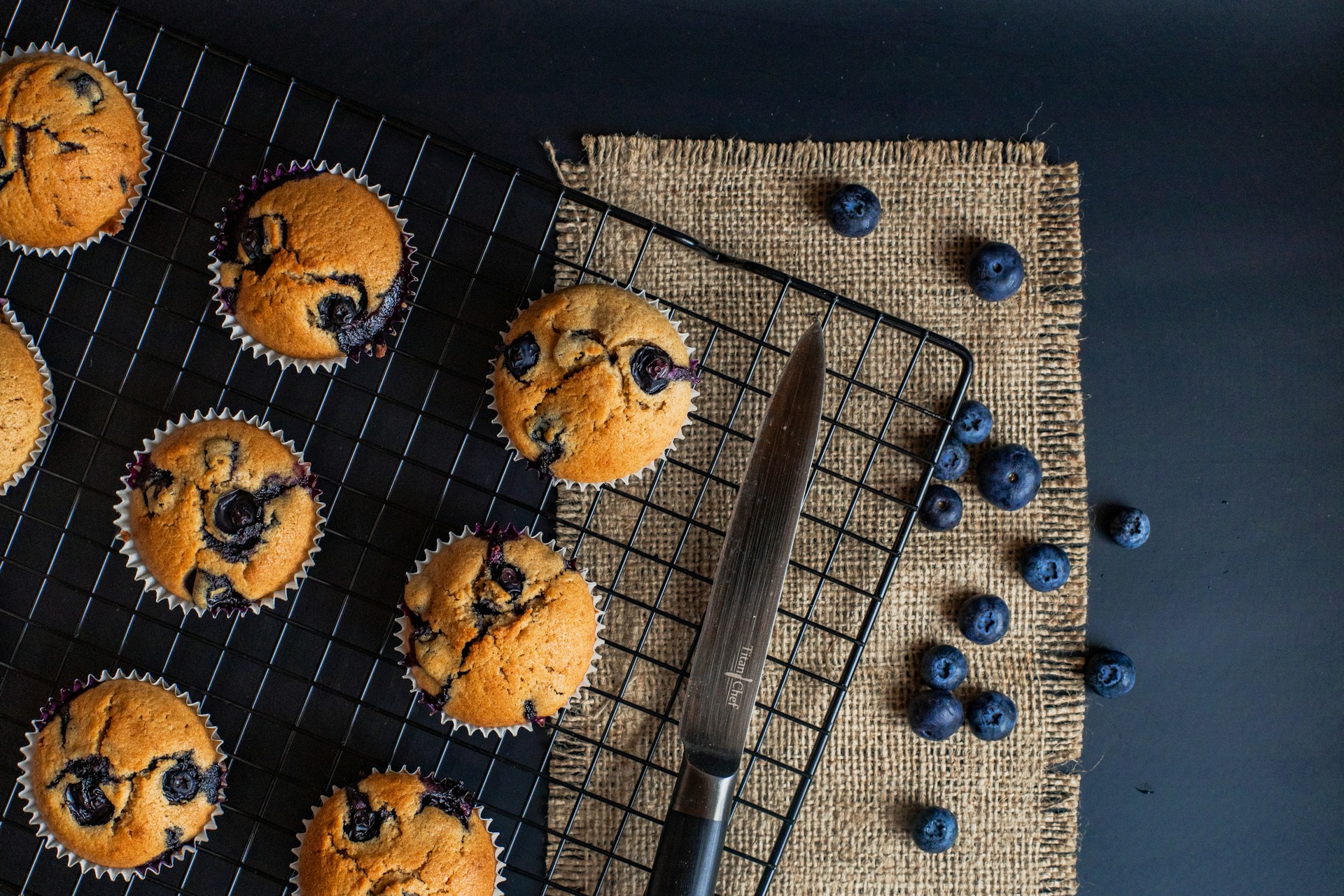
Homemade baking has a reputation for being healthier than buying cakes, cookies, and other baked goods from the supermarket. After all, you control what goes into the mixing bowl, choose your ingredients, and decide how much sugar to add. But does making something from scratch automatically make it better for your health? Not necessarily. While homemade baking offers plenty of advantages, a few food myths are worth questioning. Understanding the difference can help you enjoy your favorite baked treats without feeling guilty or making assumptions about their nutritional value.
Homemade Ingredients Give You More Control
One of the biggest advantages of baking at home is knowing exactly what goes into your food. Commercial baked goods sometimes contain preservatives, artificial flavors, and other additives to extend shelf life or improve appearance. When baking at home, you can choose simpler ingredients and avoid anything you wouldn’t want to consume. For example, someone preparing a family dinner might choose a homemade dessert alongside a nutritious main meal, such as baked salmon and wild rice casserole, knowing they have more control over the ingredients used in both dishes. That flexibility makes homemade baking an appealing option for people who want to be more conscious of their food choices.
Myth: Homemade Baked Goods Are Always Low in Sugar
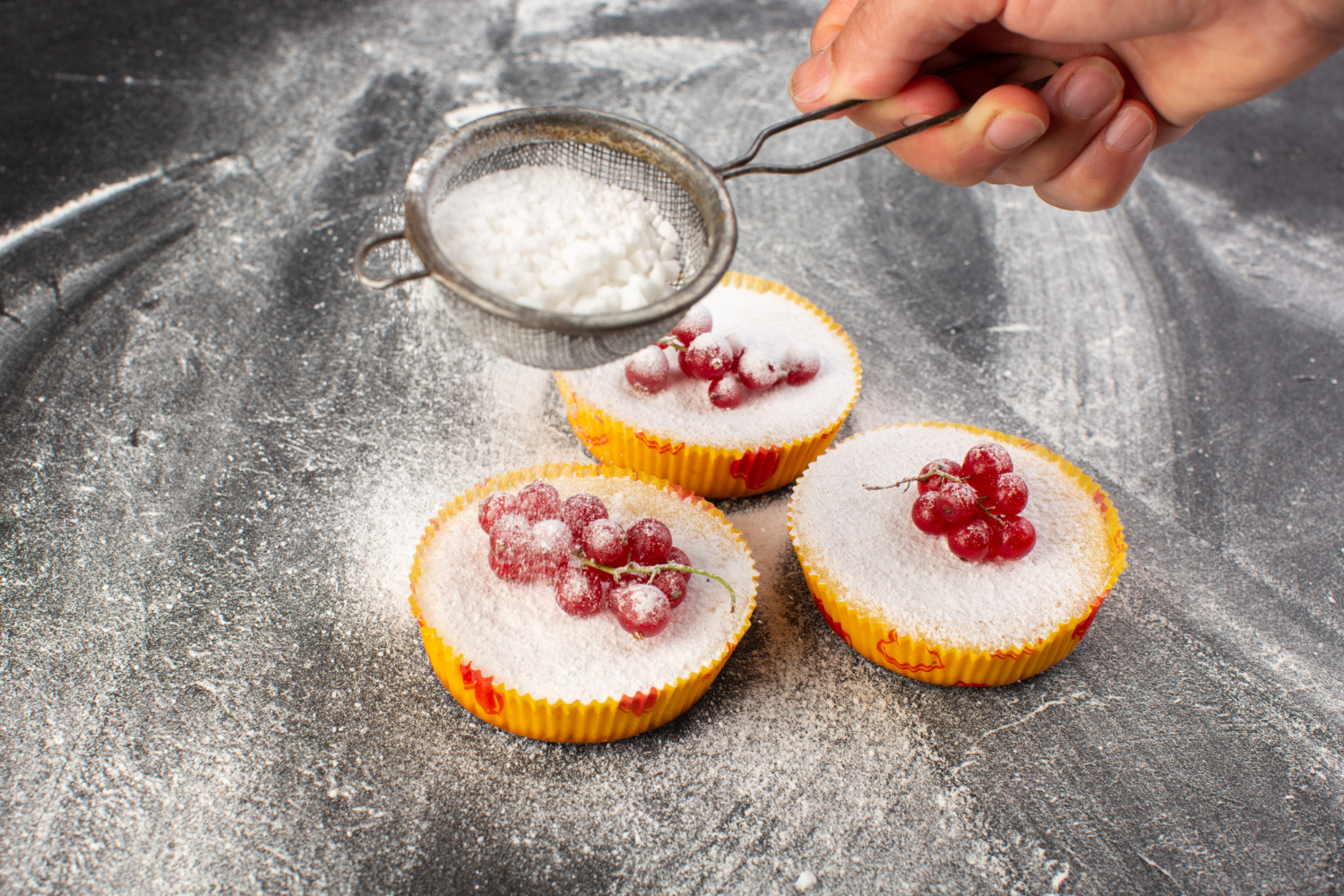
It is easy to assume that homemade cakes and cookies contain less sugar simply because they are not commercially produced. However, that depends entirely on the recipe. Some traditional baking recipes call for generous amounts of sugar, sometimes just as much as packaged alternatives. The good news is that you can experiment with reducing sugar without completely changing the taste or texture of your favorite treats. Adding naturally sweet ingredients such as ripe bananas, applesauce, or dates can also help create delicious results while reducing the need for added sugar.
You Can Make Healthier Flour Choices
Regular white flour is a common ingredient in homemade baking, but it is not your only option. Whole wheat flour contains more fiber and generally offers more nutrients than refined white flour. Oat flour and almond flour are other alternatives that can work well in certain recipes. However, different flours behave differently, so replacing everything at once may affect the final texture. A gradual approach allows you to experiment with healthier ingredients while still enjoying soft cakes, tasty muffins, and satisfying homemade bread.
Myth: Natural Ingredients Automatically Mean Healthy Food
Natural ingredients certainly have their benefits, but “natural” does not automatically make a recipe nutritious. Honey, maple syrup, and coconut sugar are often presented as healthier alternatives to regular sugar. Although they may offer small nutritional differences, they are still sources of added or free sugars. Similarly, using organic butter or expensive chocolate does not suddenly turn a rich dessert into a health food. What matters most is the overall nutritional balance, portion size, and how frequently you enjoy these treats.
Portion Sizes Still Matter
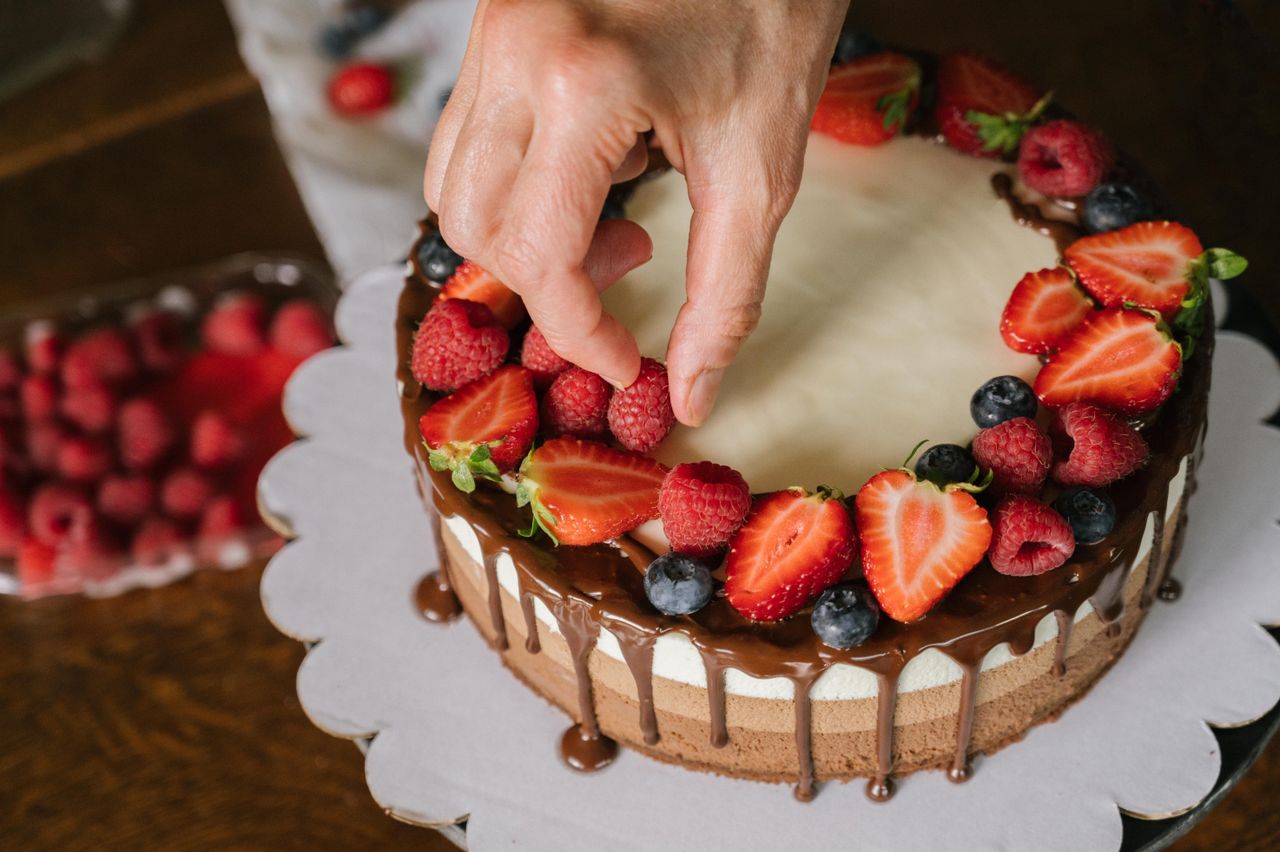
Another advantage of homemade baking is having control over portion sizes. Instead of preparing oversized muffins or enormous slices of cake, you can make smaller servings that satisfy your cravings without going overboard. This is particularly useful when baking for children or hosting visitors. You can also freeze extra portions to avoid eating everything within a few days. Remember, even nutritious ingredients contribute calories, so moderation remains important regardless of whether your food is homemade or store-bought.
Healthier Baking Does Not Have to Taste Boring
Some people believe that healthier baking means sacrificing flavor, but that is far from the truth. Ingredients such as cinnamon, vanilla, citrus zest, nuts, and fresh fruit can add plenty of flavor without relying heavily on sugar. Greek yogurt can also replace some of the fat in selected recipes while keeping baked goods moist. With a little creativity, you can prepare treats that taste wonderful while offering a more balanced nutritional profile.
So, is homemade baking really healthier? It can …
Continue Reading