dental patient

What Makes Preventive Dentistry Different From Emergency Care

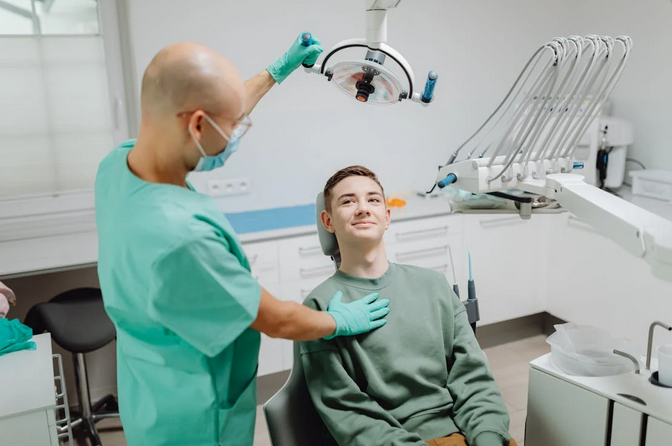
Dental care often gets attention only when pain strikes, but there is a clear difference between staying ahead of problems and reacting to them. Preventive dentistry focuses on routine checkups, cleanings, and early detection to stop issues before they become serious or costly. In contrast, emergency care addresses urgent concerns like severe pain, infections, or broken teeth that require immediate treatment. Many patients looking to understand their options often click here while researching how proactive care can reduce the risk of sudden dental emergencies. Recognizing how these two approaches differ helps patients make informed decisions about their oral health. This article explains why prevention and emergency treatment serve distinct but equally important roles in dental care.

Focus on Early Detection Versus Immediate Relief

Preventive dentistry is centered on spotting issues before they cause pain or disruption. Regular exams and cleanings help identify early signs of decay, gum inflammation, or bite problems while they are still manageable. Emergency care, by contrast, is about stopping pain, infection, or damage as quickly as possible. A cracked tooth or sudden swelling requires fast action, not observation. The key difference lies in timing. Prevention works quietly in the background, while emergency treatment reacts to visible problems. One aims to keep you out of trouble, the other steps in when trouble has already arrived.

Treatment Planning Compared to Rapid Intervention
Treatment Planning Compared to Rapid Intervention

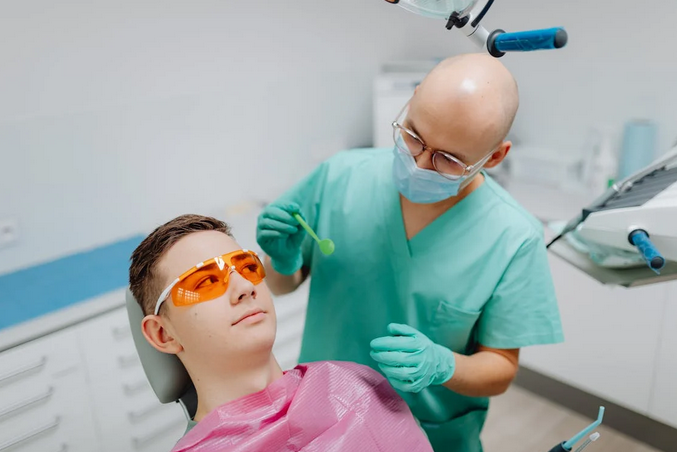
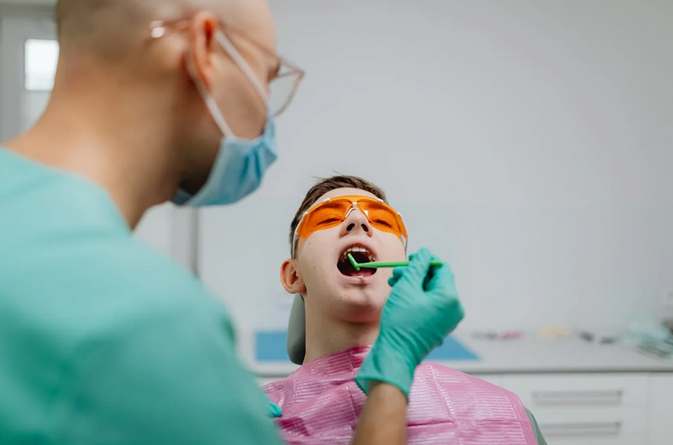
Preventive care allows dentists to plan treatments thoughtfully. Small cavities, mild gum issues, or enamel wear are easy to deal with, with minimal intervention and flexible scheduling. Emergency care leaves little room for planning. The priority is stabilizing the situation, which may involve temporary fixes or urgent procedures. Decisions are made quickly to reduce risk and discomfort. Preventive dentistry supports long-term strategies, while emergency care focuses on short-term control. Both are necessary, but the patient experience feels very different because one is proactive and the other is reactive.

Cost and Stress Differences for Patients

Preventive dentistry is usually more predictable in terms of cost and time. Routine visits are scheduled in advance and often covered by standard care plans. Emergency dental visits can be more expensive and emotionally draining, especially when treatment cannot be delayed. Pain, anxiety, and uncertainty tend to accompany urgent care. By reducing the likelihood of emergencies, preventive care helps patients avoid these stressful situations.

Impact on Long-Term Oral Health
final result

The long-term effects of preventive dentistry are cumulative. Consistent care supports stronger teeth, healthier gums, and better bite stability over time. Emergency care resolves immediate problems but does not address underlying habits or gradual changes unless followed by ongoing care. Relying only on emergency visits often leads to repeated issues and more complex treatments later. Preventive dentistry builds a foundation that supports oral health across years, not just moments of crisis. This long view is what makes prevention such a core part of modern dental care.

Preventive dentistry and emergency care serve different roles, but they work best together when prevention comes first. Preventive care focuses on early detection, thoughtful planning, and long-term stability. Emergency care responds to pain and urgent issues that cannot wait. Patients who understand this difference are better equipped to protect their oral health and reduce unexpected problems. While emergencies can happen to anyone, consistent preventive visits lower the odds and soften the impact. In the long run, staying ahead of problems is far easier than chasing them once discomfort sets in.…

Continue Reading

brushing teeth

Brushing Isn’t Enough: The Oral Care Upgrade Your Mouth Craves

Many people swear they’re brushing “perfectly,” yet still deal with bad breath or sore gums. I’ve heard this story countless times, such as those who thought minty toothpaste was solving everything. If this sounds familiar, well, you need to learn what a dentist I met from the 8th district dental said to me.

Signs Your Brushing Habits Need Backup

Brushing covers a lot, but it doesn’t reach every surface. Plaque loves hiding in little corners, and it sticks around unless you address it directly. You might notice a lingering odor even shortly after brushing, which can feel frustrating. That’s usually a sign your routine needs a small boost. Another clue is gum tightness or random bleeding during flossing. Many people assume it’s normal, but it usually signals that buildup has overstayed its welcome. A quick brush doesn’t handle everything along the gumline. With a few extra habits, those issues start fading fast.

Why Your Tongue Needs More Attention

Your tongue collects more bacteria than most people realize. If you’ve ever looked in the mirror and thought, “Why does it look coated?”—that’s buildup talking. A tongue scraper removes that layer in seconds. The difference in freshness can honestly feel dramatic. Some say brushing the tongue works fine, but that usually spreads things around instead of removing them. Scraping does the heavy lifting. It’s simple, fast, and makes your whole mouth feel brighter. Skip it one day, and you’ll notice the change instantly.

Flossing: The Quiet Hero You Keep Ignoring

flossing

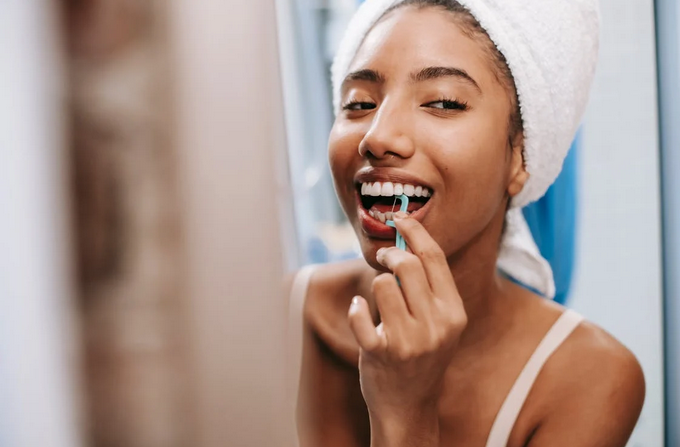
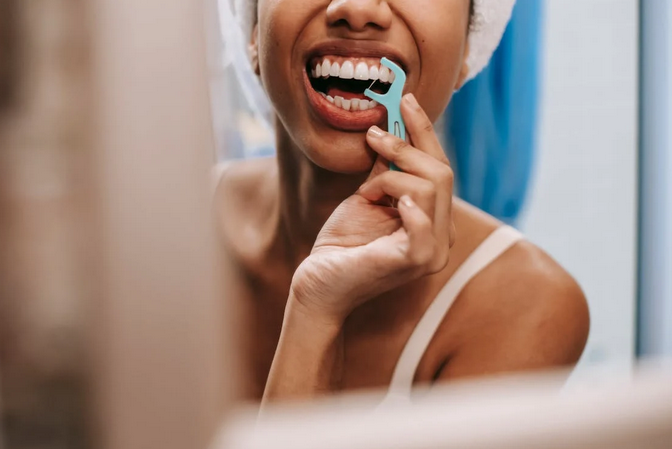
Flossing isn’t glamorous. No one brags about it. But the impact is huge. You’re clearing out areas your brush can’t reach, which prevents irritation and supports healthier gums. If you struggle sticking with it, try floss picks. They’re fast and convenient, especially for people who hate the old-school string method. Once you get into the rhythm, you’ll wonder why you avoided it for so long. And your gums? They’ll thank you in ways you didn’t expect.

Why Mouthwash Isn’t a “Just in Case” Step

A good rinse does more than add a minty finish. It reduces harmful bacteria and supports the areas you don’t directly scrub. Think of it as your last sweep—picking up whatever you missed earlier. The difference shows over time, especially if dryness or odor bothers you. But don’t rely on it as a cover-up. Mouthwash works best as part of the full routine. If used consistently, it fills the gaps and makes your whole process smoother. It also helps maintain fresher breath throughout the day.

Regular Checkups: Prevention Done the Smart Way

checkup

Even the most dedicated brushing routine has limits. Professionals use tools that go beyond anything at home. That’s why appointments matter. They help catch small problems before they grow into major repairs. Some people put this off until they feel discomfort, which is the worst timing. Early visits mean less stress and less spending. Plus, the advice you get is specific to your mouth—not general tips floating around online. If you’ve been brushing twice a day and still feel something’s off, your mouth might be asking for more than the basics. Small changes stack up fast.…

Continue Reading
hygiene

Mistakes to Avoid When Maintaining an Oral Hygiene Routine

A healthy smile doesn’t just happen; it takes consistency and the right habits. Many people overlook small but important steps in their daily routines, leading to long-term oral health issues. Dental Care practices can make a significant difference in preventing problems like cavities, gum disease, and enamel erosion. Brushing too hard, skipping flossing, or neglecting regular dental checkups are common mistakes that can compromise your smile. By learning what to avoid and adopting better habits, you can keep your teeth and gums healthy for years to come.

Ignoring the Gum Line and Tongue

floss

A lot of plaque hides where the teeth meet the gums, yet this area often gets ignored. Neglecting the gum line allows bacteria to grow, increasing the risk of gum disease and bad breath. Brushing gently along the gum line removes buildup before it becomes a bigger problem. Flossing daily is equally important; it’s the only way to clean between teeth and prevent food particles from overstaying their welcome. The tongue deserves attention, too. It traps bacteria that can cause bad breath and affect taste. A quick brush or using a tongue scraper can make a noticeable difference.

Brushing Too Hard or Too Fast

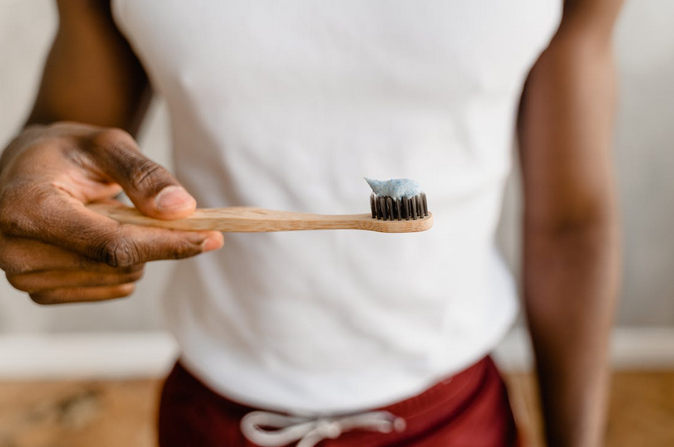
One of the most common dental mistakes is brushing like you’re polishing a floor. While enthusiasm is great, aggressive brushing actually harms your teeth and gums. Scrubbing too hard can wear down enamel and irritate the gum line, leading to sensitivity or even gum recession. Think of brushing as massaging, not scrubbing; gentle circular motions do the job perfectly. Speed is another issue. Many people brush for less than a minute, which isn’t enough to remove all the plaque. Dentists recommend brushing for two minutes, twice a day.
Skipping Regular Dental Visits

Even the most disciplined home routine can’t replace professional care. Skipping check-ups is a common mistake that often leads to undetected issues, such as cavities, tartar buildup, or gum inflammation. Dentists can spot problems before they cause pain, and let’s be honest, prevention is a lot cheaper and less stressful than treatment.

Forgetting to Replace Your Toothbrush

toothbrush

Many people use the same toothbrush far longer than they should. Worn-out bristles don’t clean properly and can harbor bacteria. Dentists recommend replacing your brush or brush head every three months—or sooner if the bristles start to fray. It’s a small habit that makes a big difference in maintaining effective cleaning and overall oral hygiene. Fresh bristles clean more thoroughly and protect your gums better. If you’ve been sick recently, swapping your toothbrush immediately is also smart—it prevents the reintroduction of germs into your mouth.

Maintaining oral hygiene isn’t just about brushing and flossing; it’s about doing it correctly and consistently. Regular dentist visits tie it all together, ensuring your efforts pay off with a lasting, healthy smile. Small changes in your daily routine today can save you big dental troubles tomorrow. Remember, good habits aren’t built overnight, but your teeth will thank you every morning and night.…

Continue Reading