
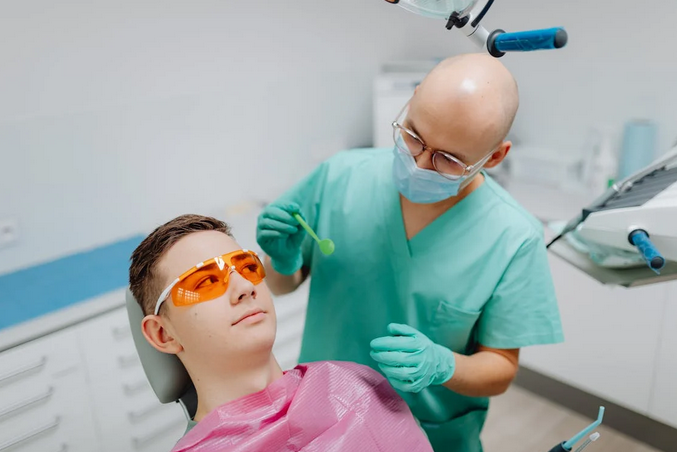
Dental care often gets attention only when pain strikes, but there is a clear difference between staying ahead of problems and reacting to them. Preventive dentistry focuses on routine checkups, cleanings, and early detection to stop issues before they become serious or costly. In contrast, emergency care addresses urgent concerns like severe pain, infections, or broken teeth that require immediate treatment. Many patients looking to understand their options often click here while researching how proactive care can reduce the risk of sudden dental emergencies. Recognizing how these two approaches differ helps patients make informed decisions about their oral health. This article explains why prevention and emergency treatment serve distinct but equally important roles in dental care.
Focus on Early Detection Versus Immediate Relief
Preventive dentistry is centered on spotting issues before they cause pain or disruption. Regular exams and cleanings help identify early signs of decay, gum inflammation, or bite problems while they are still manageable. Emergency care, by contrast, is about stopping pain, infection, or damage as quickly as possible. A cracked tooth or sudden swelling requires fast action, not observation. The key difference lies in timing. Prevention works quietly in the background, while emergency treatment reacts to visible problems. One aims to keep you out of trouble, the other steps in when trouble has already arrived.
Treatment Planning Compared to Rapid Intervention
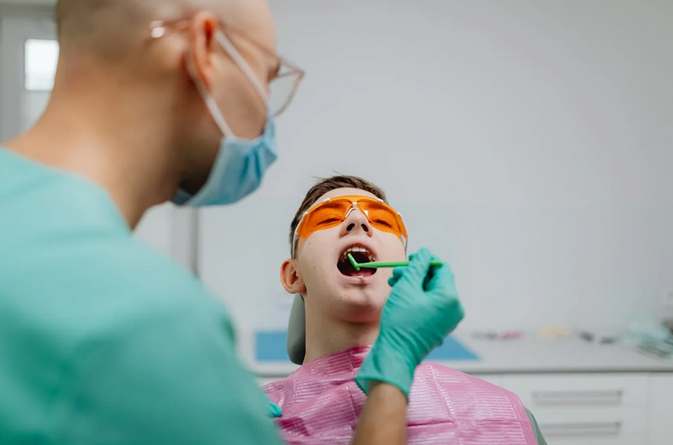
Preventive care allows dentists to plan treatments thoughtfully. Small cavities, mild gum issues, or enamel wear are easy to deal with, with minimal intervention and flexible scheduling. Emergency care leaves little room for planning. The priority is stabilizing the situation, which may involve temporary fixes or urgent procedures. Decisions are made quickly to reduce risk and discomfort. Preventive dentistry supports long-term strategies, while emergency care focuses on short-term control. Both are necessary, but the patient experience feels very different because one is proactive and the other is reactive.
Cost and Stress Differences for Patients
Preventive dentistry is usually more predictable in terms of cost and time. Routine visits are scheduled in advance and often covered by standard care plans. Emergency dental visits can be more expensive and emotionally draining, especially when treatment cannot be delayed. Pain, anxiety, and uncertainty tend to accompany urgent care. By reducing the likelihood of emergencies, preventive care helps patients avoid these stressful situations.
Impact on Long-Term Oral Health
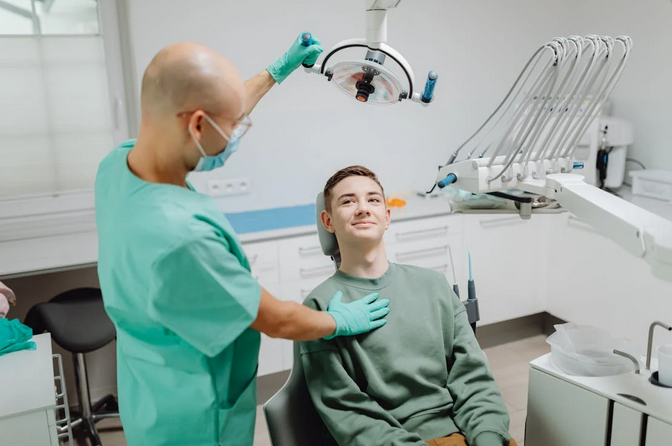
The long-term effects of preventive dentistry are cumulative. Consistent care supports stronger teeth, healthier gums, and better bite stability over time. Emergency care resolves immediate problems but does not address underlying habits or gradual changes unless followed by ongoing care. Relying only on emergency visits often leads to repeated issues and more complex treatments later. Preventive dentistry builds a foundation that supports oral health across years, not just moments of crisis. This long view is what makes prevention such a core part of modern dental care.
Preventive dentistry and emergency care serve different roles, but they work best together when prevention comes first. Preventive care focuses on early detection, thoughtful planning, and long-term stability. Emergency care responds to pain and urgent issues that cannot wait. Patients who understand this difference are better equipped to protect their oral health and reduce unexpected problems. While emergencies can happen to anyone, consistent preventive visits lower the odds and soften the impact. In the long run, staying ahead of problems is far easier than chasing them once discomfort sets in.