
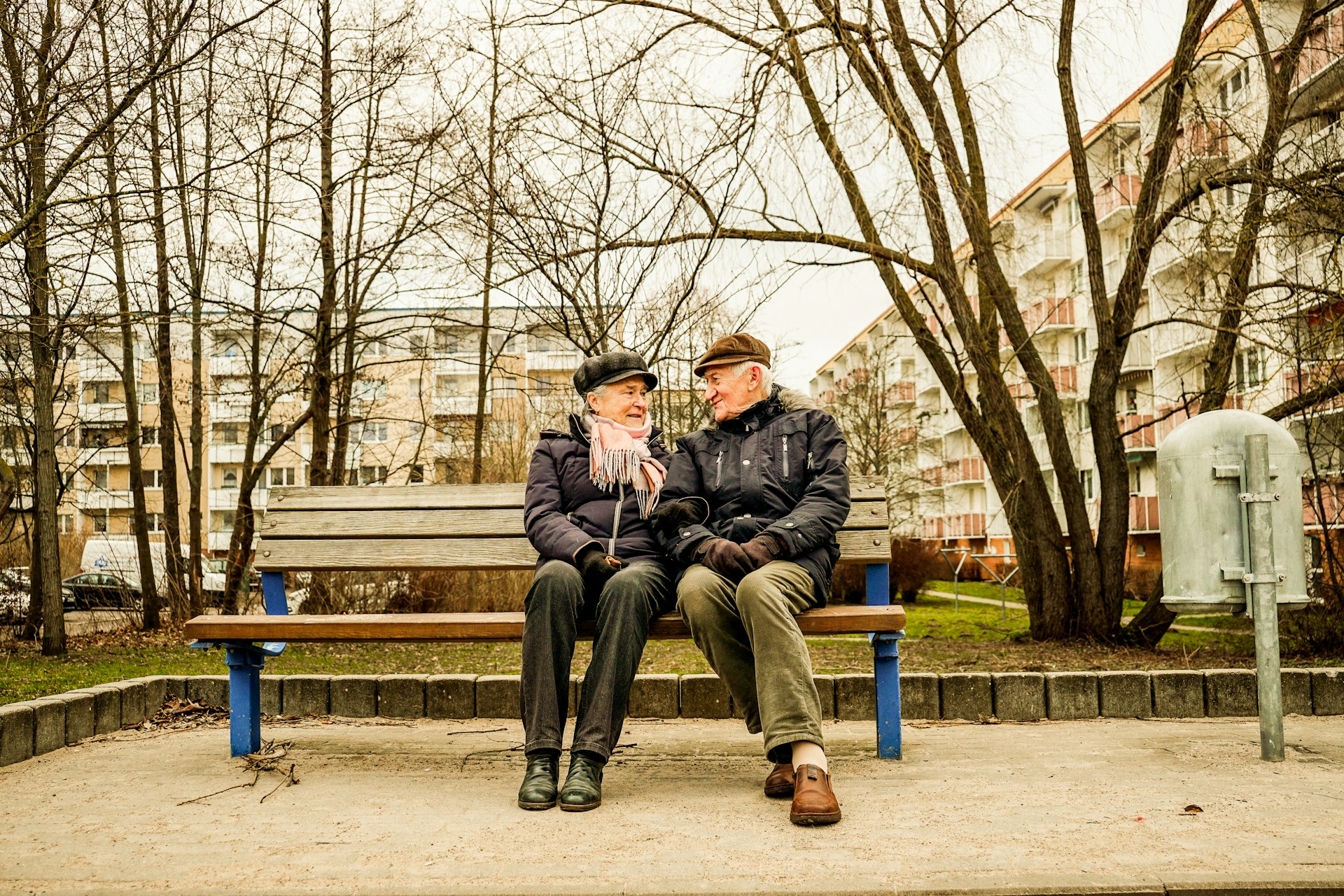
Happiness in later years is not accidental; it has a scientific basis tied to connection, purpose, and mental engagement. Emotional bonds, close friendships, and meaningful daily activities all contribute to a higher quality of life. If you’re on this heartwarming perspective on aging, you’ll see how love and companionship can shape seniors’ outlook. These factors lay the groundwork for mental sharpness, emotional resilience, and overall well-being. Positive interactions stimulate the brain and release feel-good chemicals. Emotional fulfillment acts like a natural tonic for both mood and cognition.
Love and Intimate Connections Boost Emotional Health
Intimate relationships, whether romantic or deeply familiar, have measurable effects on brain chemistry. Oxytocin and dopamine, released through bonding, reduce stress and improve mood. Seniors in stable, caring relationships often report fewer depressive symptoms. Physical affection and verbal support contribute to long-term well-being. Beyond chemicals, love provides a sense of security and purpose. Partners often support healthy routines and encourage active engagement. Even small gestures like sharing a meal or a walk enhance emotional satisfaction. The mental boost from love reinforces resilience against age-related stress.
Friendship Promotes Cognitive Engagement
 Friends provide opportunities for stimulating conversation, laughter, and shared experiences. Discussing hobbies, current events, or memories challenges memory and reasoning. Regular social activity correlates with slower cognitive decline. It keeps the mind alert and engaged in ways that solitary activities cannot replicate. Friendship also combats loneliness, which is a major factor in mood disorders. Companions offer reminders, encouragement, and companionship during daily tasks. This social scaffolding strengthens confidence and mental agility. Engaging with peers creates both emotional and cognitive benefits simultaneously.
Purposeful Activities Create Fulfillment
A sense of purpose contributes strongly to happiness in old age. Volunteering, mentoring, or creative projects provide meaningful daily routines. Purposeful activity keeps seniors physically and mentally active, stimulating brain regions linked to satisfaction. It gives structure and motivation that reduces feelings of idleness or helplessness. Even small tasks, like gardening or cooking for others, enhance a sense of contribution. Feeling needed reinforces self-worth and emotional balance. This fulfillment encourages continued participation in social and recreational activities. A purposeful life acts as a buffer against mental decline and low mood.
Positive Emotions Reduce Stress and Support Longevity
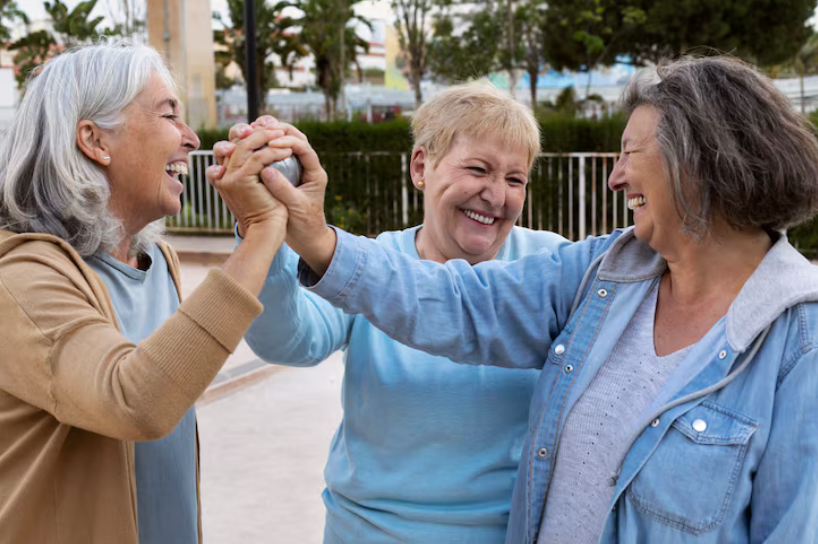 Happiness itself has measurable effects on physical health. Positive emotions reduce cortisol levels, benefiting cardiovascular and immune systems. Seniors who experience joy and satisfaction regularly are more likely to sleep better and maintain energy. Laughter, play, and shared humor are simple but powerful tools for well-being. Cultivating optimism and gratitude fosters mental resilience. Celebrating small successes or savoring moments with loved ones strengthens neural pathways associated with reward. These emotional benefits accumulate, supporting both cognitive and physical health. In old age, a positive outlook can act as a protective factor against illness and stress.
Meaningful Connections Strengthen Life Satisfaction
Combining love, friendship, and purpose creates a strong foundation for happiness. Each element reinforces the others, creating a network of emotional and cognitive support. Seniors engaged in these connections tend to report higher life satisfaction and overall well-being. Regular interaction, care, and meaningful activity enhance both brain function and mood.
These practices are not just pleasant—they have measurable benefits for mental and emotional health. Simple daily choices, like reaching out to friends or participating in group activities, matter. Happiness in later years is a science-backed outcome of engagement and connection. Nurturing relationships and purpose helps seniors thrive, not just exist.