
Incontinence is more common among women than many realize. It refers to the unintentional loss of bladder control. While it is not usually a sign of serious illness, it can be disruptive and affect quality of life. Many women remain silent due to embarrassment, but discussing the issue is the first step toward managing it. By understanding the causes and solutions, women can take back control and feel more confident in daily life.
The Role of Lifestyle Factors

Prelomed.at highlights that daily habits contribute to bladder health more than many expect. Consuming excessive caffeine, alcohol, or carbonated drinks can irritate the bladder. Smoking weakens pelvic tissue and also triggers chronic coughing, which puts pressure on the bladder. Carrying extra weight adds strain to the pelvic floor. Even dehydration plays a role, as concentrated urine can irritate the bladder lining. Adjusting these habits is often one of the first steps toward reducing symptoms.
Different Types of Incontinence in Women
Not all incontinence is the same. Stress incontinence is triggered by physical pressure, such as coughing, sneezing, or exercising. Urge incontinence involves a sudden and strong need to urinate, sometimes leading to leakage before reaching a bathroom. Mixed incontinence combines features of both. Overflow incontinence, less common in women, occurs when the bladder doesn’t empty fully. Knowing which type is present helps ensure that treatment is targeted and effective.
Hormonal Changes and Their Impact

Hormonal shifts play a major role in female incontinence. During pregnancy, hormonal changes relax the muscles that support the bladder. Childbirth further strains those muscles, sometimes causing lasting weakness. Later in life, menopause reduces estrogen levels, which can thin the tissues in the urinary tract and lead to leakage. These changes are natural, but their impact can be managed with proper care and exercises that strengthen pelvic muscles.
Medical Treatments and Support Options
When lifestyle changes are not enough, medical treatments can help. Doctors may recommend pelvic floor therapy guided by specialists, medications that calm an overactive bladder, or devices that support bladder control. In some cases, minimally invasive procedures or surgery may be considered. Support groups and counseling also play a role, helping women manage the emotional impact of incontinence. Accessing professional help is a sign of strength, not weakness, and ensures the utmost care for long-term well-being.
Practical Lifestyle Solutions
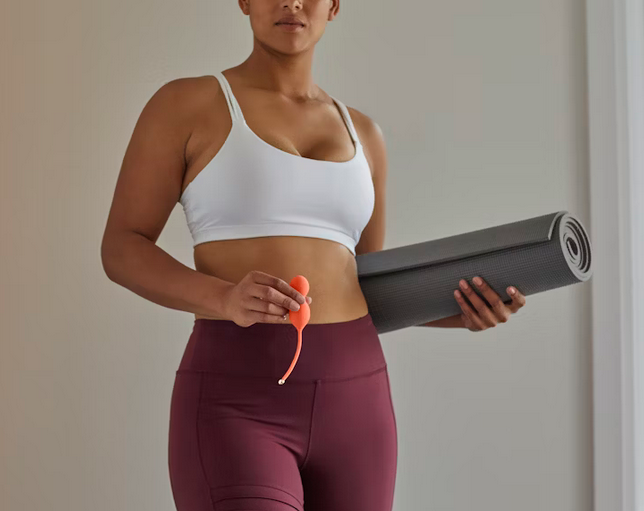
Simple adjustments often make a meaningful difference. Regular pelvic floor exercises, such as Kegels, strengthen the muscles that control urination. Bladder training, where women gradually increase the time between bathroom visits, helps the bladder adapt to holding more urine. Maintaining a healthy weight relieves pressure on the bladder. Cutting back on bladder irritants and drinking water consistently supports urinary health. These practical steps provide a strong foundation for managing symptoms.
The Unique Emotional Challenges
Beyond physical symptoms, incontinence affects emotional health. Women may feel embarrassment, frustration, or even isolation. They might avoid social activities for fear of accidents. This emotional weight can be heavier than the physical condition itself. Recognizing these feelings and addressing them openly is important. Seeking understanding from family, friends, or healthcare providers reduces stigma and builds confidence. Every experience with incontinence is unique, and acknowledging the emotional side is part of comprehensive care.
Incontinence does not have to define a woman’s life. With knowledge, adjustments, and medical support, it can be managed effectively. The goal is not just to reduce symptoms but to restore freedom in daily activities. Women should remember that help is available and that seeking it is a positive step. With persistence and the right guidance, many regain control and confidence. Living well with incontinence is possible, and every step toward improvement matters.