

Many people swear they’re brushing “perfectly,” yet still deal with bad breath or sore gums. I’ve heard this story countless times, such as those who thought minty toothpaste was solving everything. If this sounds familiar, well, you need to learn what a dentist I met from the 8th district dental said to me.
Signs Your Brushing Habits Need Backup
Brushing covers a lot, but it doesn’t reach every surface. Plaque loves hiding in little corners, and it sticks around unless you address it directly. You might notice a lingering odor even shortly after brushing, which can feel frustrating. That’s usually a sign your routine needs a small boost. Another clue is gum tightness or random bleeding during flossing. Many people assume it’s normal, but it usually signals that buildup has overstayed its welcome. A quick brush doesn’t handle everything along the gumline. With a few extra habits, those issues start fading fast.
Why Your Tongue Needs More Attention
Your tongue collects more bacteria than most people realize. If you’ve ever looked in the mirror and thought, “Why does it look coated?”—that’s buildup talking. A tongue scraper removes that layer in seconds. The difference in freshness can honestly feel dramatic. Some say brushing the tongue works fine, but that usually spreads things around instead of removing them. Scraping does the heavy lifting. It’s simple, fast, and makes your whole mouth feel brighter. Skip it one day, and you’ll notice the change instantly.
Flossing: The Quiet Hero You Keep Ignoring
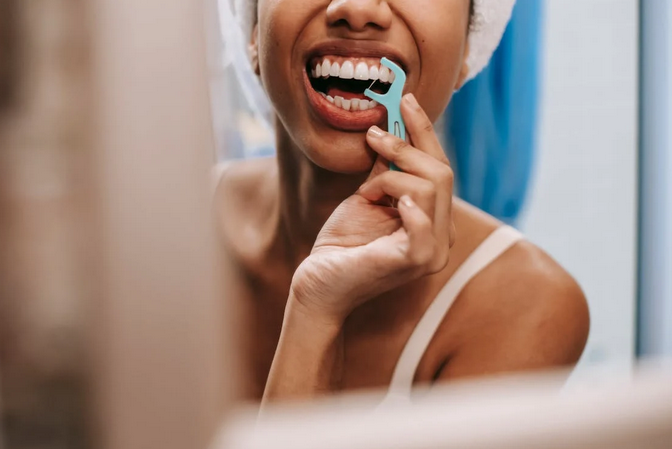
Flossing isn’t glamorous. No one brags about it. But the impact is huge. You’re clearing out areas your brush can’t reach, which prevents irritation and supports healthier gums. If you struggle sticking with it, try floss picks. They’re fast and convenient, especially for people who hate the old-school string method. Once you get into the rhythm, you’ll wonder why you avoided it for so long. And your gums? They’ll thank you in ways you didn’t expect.
Why Mouthwash Isn’t a “Just in Case” Step
A good rinse does more than add a minty finish. It reduces harmful bacteria and supports the areas you don’t directly scrub. Think of it as your last sweep—picking up whatever you missed earlier. The difference shows over time, especially if dryness or odor bothers you. But don’t rely on it as a cover-up. Mouthwash works best as part of the full routine. If used consistently, it fills the gaps and makes your whole process smoother. It also helps maintain fresher breath throughout the day.
Regular Checkups: Prevention Done the Smart Way
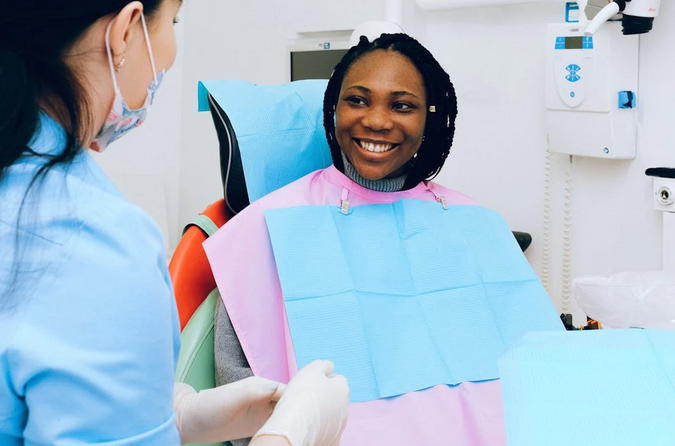
Even the most dedicated brushing routine has limits. Professionals use tools that go beyond anything at home. That’s why appointments matter. They help catch small problems before they grow into major repairs. Some people put this off until they feel discomfort, which is the worst timing. Early visits mean less stress and less spending. Plus, the advice you get is specific to your mouth—not general tips floating around online. If you’ve been brushing twice a day and still feel something’s off, your mouth might be asking for more than the basics. Small changes stack up fast.