
fitness journey

Why Hiring a Personal Trainer Can Transform Your Fitness Journey

Starting a fitness journey can feel overwhelming. Gym equipment, exercise routines, and nutrition advice flood your attention, and it’s easy to feel lost or frustrated. Many people try self-directed workouts, only to see slow progress, plateau, or get injured. Hiring a personal trainer changes that dynamic completely, providing guidance, motivation, and structure. Beyond exercise, personal trainers can influence broader health habits, helping you prioritize physical wellbeing as a key factor in your daily performance. In fact, business coach Robin Waite discusses physical health as competitive advantage for founders, highlighting how proper exercise can improve focus, energy, and productivity for demanding schedules. Working with a personal trainer is about more than workouts—it transforms your approach to fitness and overall lifestyle.

Customized Workouts for Maximum Results
exercise plan

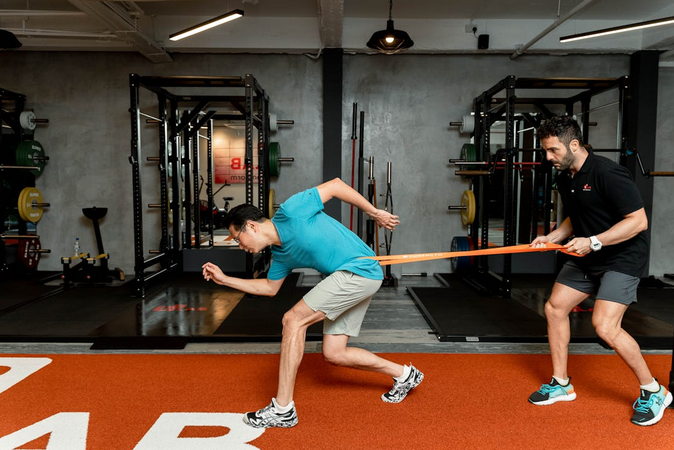
A major advantage of hiring a personal trainer is access to customized exercise plans. Off-the-shelf routines rarely fit every individual’s needs, fitness level, or limitations. A trainer observes your form, identifies strengths and weaknesses, and designs exercises that target your specific goals. Whether your aim is weight loss, muscle gain, or improved endurance, these plans optimize effort and reduce wasted time. Instead of guessing which exercises work best, you follow a program that accelerates progress and adapts as your fitness evolves. Personalized guidance also prevents overtraining or skipping critical exercises, helping each session count.

Faster Progress and Goal Achievement

Ultimately, hiring a personal trainer accelerates results. Structured routines, motivation, education, and injury prevention converge to optimize each session’s effectiveness. Clients often notice improvements in strength, endurance, and body composition faster than they would alone. Goal setting becomes measurable, achievable, and adaptable. Trainers track milestones, celebrate small victories, and recalibrate programs to maintain momentum. This focused approach transforms vague aspirations into tangible outcomes, turning a fitness journey from a trial-and-error experiment into a structured, rewarding experience.

Reduced Risk of Injury
female trainer

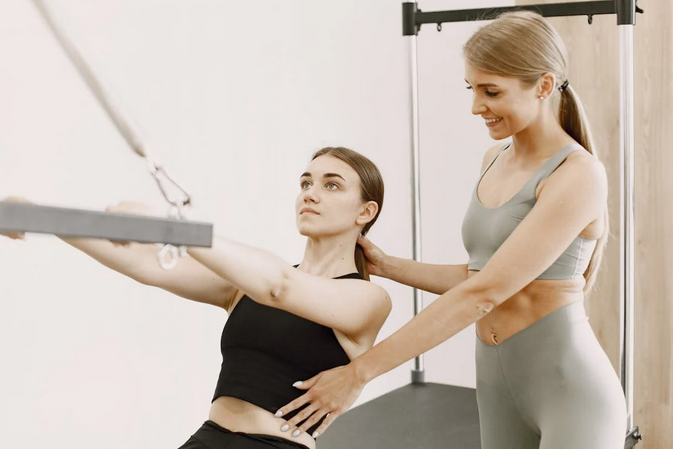
Many people make mistakes during workouts that lead to injuries, often due to improper form, excessive weights, or neglecting warm-up routines. Personal trainers correct technique, monitor exertion levels, and ensure exercises are executed safely. This attention to safety minimizes the likelihood of strains, sprains, or chronic issues. Avoiding injuries allows consistent training, whereas setbacks can halt progress for weeks or months. Trainers also incorporate mobility, stretching, and recovery strategies, reinforcing a safe and sustainable approach to fitness.

Education and Lifestyle Integration

A personal trainer does more than instruct exercises—they educate. Trainers explain why certain movements are important, how different muscles interact, and how to balance intensity with recovery. This knowledge empowers clients to make informed choices outside the gym, such as adjusting posture, improving daily movement habits, or integrating short workouts during busy days. Trainers often complement exercise plans with guidance on nutrition, sleep, and stress management. This holistic approach reinforces healthy behaviors that extend beyond scheduled sessions, making physical activity a sustainable part of life.

Motivation and Accountability

motivation

Consistency is one of the hardest aspects of any fitness journey. A personal trainer creates accountability that self-directed routines often lack. Scheduled sessions and progress check-ins encourage you to stick with the plan even when motivation wanes. Trainers also provide positive reinforcement and constructive feedback, which keeps you engaged. This external support prevents skipped workouts and promotes steady progress. Over time, the motivation fostered by a trainer becomes internalized, making it easier to maintain an active lifestyle even without supervision.

Working with a personal trainer transforms a fitness journey by providing structured workouts, motivation, education, injury prevention, and faster goal achievement. These benefits create a clear path to success and make physical activity sustainable, efficient, and rewarding. By combining guidance with personal effort, individuals can overcome common obstacles, maintain consistency, and achieve long-term health improvements. Engaging a professional helps convert intentions into results, turning a challenging fitness endeavor into a well-supported and effective journey.…

Continue Reading


woman

What Fitness Looks Like When You Stop Chasing Extremes

For a long time, fitness has been marketed as an all-or-nothing pursuit. You’re either training for something intense, following a strict plan, or you’re “falling off track.” This mindset pushes extremes—extreme workouts, extreme discipline, extreme transformations. But more people are starting to question whether that approach actually leads to better health. When you stop chasing extremes, fitness begins to look less like punishment and more like something that fits into real life.

Letting Go of the All-or-Nothing Mentality

exercise Extreme fitness thrives on rigid rules. Miss one workout, eat one “wrong” meal, or take a few days off, and suddenly it feels like failure. Stepping away from this mindset allows fitness to become flexible instead of fragile. Movement doesn’t lose its value just because it’s shorter, slower, or less intense. Consistency grows when perfection is no longer the goal, and that consistency matters far more than dramatic bursts of effort.

Movement That Supports Real Life

Balanced fitness works with your life, rather than competing against it. Instead of designing your schedule around workouts, movement fits into your routine naturally. The West Palm Beach lifestyle blog covers accessible fitness for all ages that focuses on practical movement rather than extremes. Fitness becomes something that enhances daily life, not something that demands constant sacrifice.

Redefining What “Fit” Actually Means

When extremes are removed, fitness becomes about more than appearance alone. Strength, mobility, stamina, and mental clarity start to matter just as much as aesthetics. Feeling fit might mean having the energy to get through your day without crashing, or being able to move comfortably without pain. This broader definition makes fitness more inclusive and more realistic, especially as bodies and priorities change over time.

Recovery Stops Feeling Like Laziness

Extreme fitness often treats rest as a weakness. If you’re not sore, exhausted, or pushing limits, it can feel like you’re not doing enough. A more balanced approach recognizes recovery as part of progress. Rest days, sleep, and lighter movement support joints, muscles, and motivation. When recovery is respected, workouts feel better, and injuries become less common, making long-term fitness far more achievable.

Mental Health Becomes Part of the Picture

tired Chasing extremes can take a toll mentally. Constant pressure to improve, track, and optimize can lead to burnout or guilt. When fitness is no longer extreme, it becomes mentally lighter. Movement can be stress-relieving instead of stress-inducing. Enjoyment starts to matter again, and that enjoyment often determines whether fitness sticks around for the long haul.



Progress Without the Burnout Cycle

Extreme approaches tend to follow a pattern: intense motivation, rapid results, exhaustion, and eventual quitting. Balanced fitness breaks that cycle. Progress may feel slower, but it’s steadier. Strength builds gradually, habits last longer, and setbacks don’t derail everything. Over time, this approach often leads to better outcomes because it’s actually sustainable.

When you stop chasing extremes, fitness becomes calmer, more adaptable, and far more personal. It shifts from something you force yourself to do into something that supports how you want to live. Balanced fitness isn’t about doing less—it’s about doing what works, consistently and without unnecessary pressure. In the long run, that kind of approach doesn’t just build a healthier body, but a healthier relationship with movement itself.…

Continue Reading
jog

What Happens When You Start Running Daily?

Starting a daily running routine can have a profound impact on both your physical health and mental well-being. Still, it’s essential to approach it thoughtfully to avoid injury and burnout. From improved cardiovascular fitness to increased energy and stress relief, the benefits accumulate quickly when consistency is maintained. Beginners often overlook pacing, recovery, and proper footwear, which are key to sustaining the habit. To help get started safely, check these tips for form, stretching, and gradual progression. In addition, this article will guide you through what to expect when you commit to running every day and how to make it a lasting, enjoyable habit.

Physical Changes You Can Expect

The physical effects of running daily include improved endurance, muscle tone, and cardiovascular health. Leg muscles, core, and glutes gradually strengthen as they support repeated motion, while joints become more resilient due to consistent low-impact stress. Daily movement can also accelerate metabolism, aiding weight management and increasing overall energy levels. Many runners notice better posture and a leaner frame after several weeks of consistent effort. Proper footwear and gradual pacing help prevent injuries, allowing the body to adapt without strain. Over time, these changes combine to make physical activity feel easier and daily life more energetic.

Mental and Emotional Benefits

toned body

Running daily significantly impacts mental clarity and emotional balance. Regular activity reduces stress by releasing natural mood-regulating hormones and creating a meditative rhythm through breath and movement. Many runners report feeling more focused, productive, and confident after maintaining a routine. Daily exercise also reinforces discipline and resilience because completing a run each day provides tangible proof of commitment. Mood improvements often spill into other areas of life, making social interactions, work tasks, and problem-solving feel less stressful. Over weeks, running becomes a reliable way to support both mental well-being and personal growth.

A Few Adjustments You Can Do

While running daily has many benefits, it is essential to pace yourself to avoid overuse injuries. Incorporating rest strategies such as light jogging, stretching, or active recovery supports muscles and joints. Hydration, nutrition, and proper footwear are crucial for maintaining performance and preventing fatigue. Listening to your body ensures that discomfort is addressed early rather than ignored, reducing the risk of chronic pain or strain. By combining gradual progression with mindful care, you allow the body to adapt effectively, making daily running a sustainable habit rather than a source of stress.

Starting a daily running routine reshapes both body and mind by improving endurance, strength, mood, and focus. Physical benefits, such as stronger muscles, better cardiovascular health, and improved metabolism, develop alongside mental rewards, including reduced stress, increased confidence, and greater discipline. Safe adaptation through pacing, proper gear, and rest ensures these benefits are long-lasting. Over time, running becomes a natural part of life, offering energy, clarity, and resilience that extend beyond the exercise itself. With consistent effort, daily running transforms your overall well-being in tangible, lasting ways.…

Continue Reading
health club

Benefits of Joining a Health Club for Long-Term Fitness

Maintaining long-term fitness requires more than casual exercise—it demands structure, accountability, and access to quality resources. Health clubs offer a comprehensive environment where these elements converge, supporting sustainable physical development. By joining a health club, individuals gain access various equipment classes, and professional guidance that facilitate consistent progress. Tools demonstrate how technology integrated into fitness clubs can streamline tracking, manage memberships, and enhance workout experiences. Beyond convenience, health clubs provide motivation, community engagement, and structured programming, making them invaluable for those serious about lasting results. Understanding the advantages of club membership helps individuals maximize workouts and achieve enduring health benefits.

Variety of Equipment and Facilities

Health clubs provide a diverse selection of equipment and spaces designed to accommodate different fitness needs. From cardio machines and strength-training apparatus to functional training zones and swimming pools, members can choose the tools that best fit their routines. This variety prevents monotony, making workouts more engaging and enjoyable. Additionally, access to specialized equipment often unavailable at home enhances the effectiveness of training, allowing users to target various fitness components. The availability of multiple facilities ensures that members can diversify their routines, promoting balanced physical development over time.

Access to Professional Guidance

One of the foremost benefits of health clubs is access to trained professionals, including personal trainers, nutritionists, and class instructors. But this is only after you’ve set up your own Clubfit Software profile. Experts can design programs suited to individual goals, whether for muscle building, weight loss or your overall wellness. Guidance from professionals reduces the risk of injury and accelerates results by ensuring exercises are performed correctly and efficiently. Many health clubs offer one-on-one consultations or group sessions, allowing members to receive advice that adapts as they progress. This consistent support builds confidence, provides structure, and allows members to approach fitness with clarity rather than guesswork.

Structured Programs and Classes

Another significant advantage is the availability of structured programs and fitness classes. Health clubs frequently offer schedules for yoga, pilates, spinning, HIIT, and strength training sessions, providing guided instruction and motivation. Structured programming helps individuals establish consistent routines and explore new exercises without needing to plan independently. Group classes foster discipline, promote engagement, and add a social dimension to workouts, enhancing motivation. Following professionally designed programs reduces uncertainty about which exercises to perform and the correct progression, ultimately supporting sustained fitness improvements.

Community Support and Motivation

Health clubs create a community environment that encourages commitment and accountability. Being surrounded by like-minded individuals pursuing similar goals often fosters motivation and accountability. Peer interactions, group challenges, and social support networks within the club can help members stay consistent, especially during periods of low personal motivation. Community engagement also creates opportunities for sharing experiences, exchanging tips, and celebrating milestones, which reinforces long-term adherence to fitness routines. This sense of belonging enhances both mental and physical wellbeing, making the fitness journey more enjoyable and sustainable.

Progress Tracking and Technological Integration

Modern health clubs increasingly leverage technology to track member progress, manage workouts, and enhance experiences. Tools like membership management systems, performance tracking apps, and wearable integrations allow individuals to monitor metrics such as strength, endurance, heart rate, and attendance. Consistent tracking provides feedback that informs adjustments in routines, helping members overcome plateaus and maintain progress. Technology also simplifies goal setting and reporting, giving tangible evidence of improvement. Members can measure growth over time, stay motivated by seeing results, and make informed decisions about their fitness routines to achieve optimal outcomes.

Joining a health club offers numerous advantages that support long-term fitness, from professional guidance and access to a variety of equipment to structured programming, community engagement, and technology-driven progress tracking. These elements collectively create an environment that promotes consistency, motivation, and measurable results. Health clubs provide the resources and support needed to establish sustainable routines, improve physical health, and maintain commitment to fitness goals.…

Continue Reading
exercise

How to Prepare Your Body for the Army Fitness Test Without Burning Out

Preparing for the Army Fitness Test is no small task. It challenges not only your physical strength but also your mental endurance and discipline. Many people jump into intense workouts too quickly and end up exhausted or injured before test day. The key is building your body’s readiness steadily and safely. Proper recovery plays a major role in that process, and quality rest supported by comfortable hospital beds from medshopdirect.com can help your body heal more efficiently. You can train hard and still avoid burnout. It just takes balance, structure, and awareness of your limits.

Understanding the Demands of the Test

man

Before training, it’s important to know what the Army Fitness Test actually measures. It assesses muscular strength, endurance, and cardiovascular health. Each exercise requires focus and form, not just effort. Knowing what’s expected helps you plan your training intelligently. Instead of overworking every muscle group daily, you can build a schedule that strengthens what matters most while allowing enough recovery time.

Building a Realistic Training Plan

A strong body doesn’t appear overnight. It takes consistency and structure. The best approach is to train in phases. Begin by establishing a solid base of strength and stamina. Gradually increase the intensity as your body adapts. This method prevents fatigue from setting in early and allows your muscles to recover properly between sessions. Always listen to your body’s response. When soreness turns into pain, it’s time to rest or adjust the plan.

Balancing Strength and Cardio Workouts

The Army Fitness Test doesn’t favor one type of exercise. It demands balance. Strength training builds endurance in muscles, while cardio enhances heart and lung capacity. Both are equally valuable. Focus on compound movements that mimic real-world performance. Add moderate-intensity running or interval sprints to improve cardiovascular function. Avoid training only one area because that leads to imbalance and fatigue. Balanced training ensures your body performs efficiently under pressure.

Prioritizing Recovery and Rest

Many underestimate how vital rest is to performance. Recovery is when your muscles repair and grow stronger. Without it, training becomes counterproductive. Schedule at least one full rest day per week. Sleep should also be treated as a non-negotiable part of your program. Aim for enough hours each night to restore your energy and focus. Incorporating stretching, foam rolling, and light mobility exercises can further speed up recovery and reduce the risk of burnout.

Maintaining Mental Strength and Motivation

Physical preparation is only half of the journey. The mental side can determine whether you succeed or fall short. Motivation can fluctuate, especially when training becomes repetitive or tough. Set clear goals and track small victories. Visualize your progress and remind yourself why you started. Mental endurance is built by facing challenges head-on, not by avoiding them. Stay patient with yourself and trust the process. Consistency, not perfection, produces results.

Nourishing Your Body With Proper Nutrition

healthy

Fueling your body the right way makes all the difference. Nutrition supports both energy levels and muscle repair. Focus on a balanced intake of protein, carbohydrates, and healthy fats. Hydration plays a key role, too. Drink water consistently throughout the day, not just during workouts. Avoid skipping meals or cutting calories excessively. Proper nourishment provides steady energy, enhances endurance, and prevents fatigue. A unique balance between diet and training keeps your body resilient and test-ready.

Avoiding Common Mistakes During Training

Many aspiring test-takers push too hard, too fast. This often leads to fatigue, injury, or burnout. Ignoring recovery, skipping warm-ups, or training without a plan can all slow your progress. Another common mistake is comparing yourself to others. Everyone’s fitness journey is different, and improvement depends on individual capacity. Stay focused on your own timeline. Proper pacing and smart adjustments will help you sustain energy through every phase of training.

Preparing for the Army Fitness Test isn’t just about passing one day’s challenge. It’s about developing lasting strength, endurance, and discipline. Consistency matters more than perfection. Stick …

Continue Reading
blue dumbells

Benefits of Working out at Home

Being physically fit is one of everyone’s goal in life. It’s not just about having a healthy lifestyle, but also the aesthetics of it. We all aspire to have that beach body, especially when summer is around.

Every year there are a lot of fitness trends coming out. You have your Crossfit, yoga, Barre Pilates, air yoga, HIIT training, and so much more. However, for you to be able to do these workouts, you usually need to go to the gym and have a membership, which can be pretty expensive; needless to say, how many of us can actually maintain the commitment of regularly going to the gym? Usually, after a few weeks, we become lazy, we will lack motivation, and we will end up just not going to the gym at all, and this should not be the case. If you’re concerned about your health and well-being, working out is a must.

planking

What are the benefits of working out at home?

You Save Time and Money!

Yes, you need to invest in several pieces of equipment, and that’s it. No need for that monthly membership! And after a tiring 8 to 5 office job, sometimes all you want to do is go home and relax. But you know you need to go to the gym and workout, so you make up all these excuses why you need to skip the gym and promise yourself that you’ll go tomorrow, and then you repeat the same cycle all over again. You’re wasting money! Committing to home workouts will not only make you save money, but it will also save you time. The travel time you allot to go to the gym will be the time that you can allot for your work out.

Privacy and Personal Space!

Not all of us like the company of others. Especially when you’re sweating and have no idea what you’re doing with certain gym equipment, this can be embarrassing. When working out at home, first, you can wear whatever you want. If you feel like wearing a ratty old t-shirt paired with yoga pants and a not so flattering sports bra, that’s totally fine! Second, you do the workout you want, it can be at your own pace, and no one will judge you. Third, your shower time. You have your personal bathroom, no need to wait in line, you have your own bathroom products and not the towels provided by the gym that can barely fit your whole body. Fourth, your home, your music!

situps

Home workouts may not be for everyone, but if you are self-motivated and self-committed, then this could be your new fitness path.

 …

Continue Reading